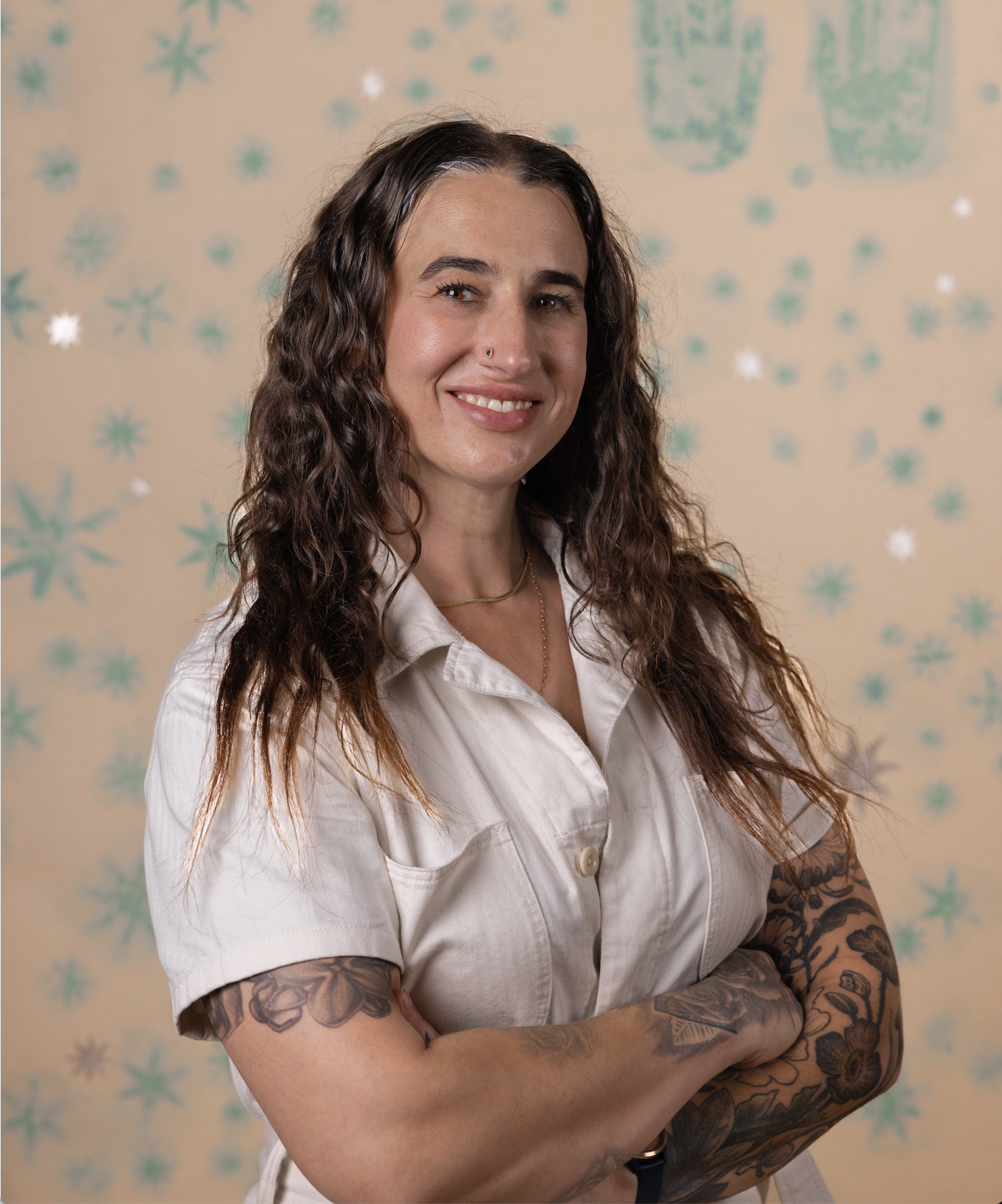
Danielle Rante's work explores our personal relationships to landscape, communicating a deep sense of contemplation and awe. She has a strong dedication to working on traditional washi papers, creating large scale yet intimate environments. Her unique approach to image making blurs boundaries between drawing, painting, alternative photography and print. She has participated in exhibitions nationally and internationally, notably K. Imperial Fine Art (San Francisco, CA), International Print Center New York (NY, NY) and both the China Art Museum and University of Art Museum in Shanghai.
Her practice has been enriched by artist residencies at Headlands Center for the Arts (Marin, CA); Fine Arts Work Center (Provincetown, MA); Nes (Skagastrond, Iceland); Kala Art Center (Berkeley, CA); and Jentel (Banner, WY); Arteles (Haukijärvi, Finland), among others. She is a three-time recipient of the Ohio Arts Council Individual Excellence Award, and her work has been featured and reviewed in significant publications such as New American Paintings and San Francisco Arts Quarterly.
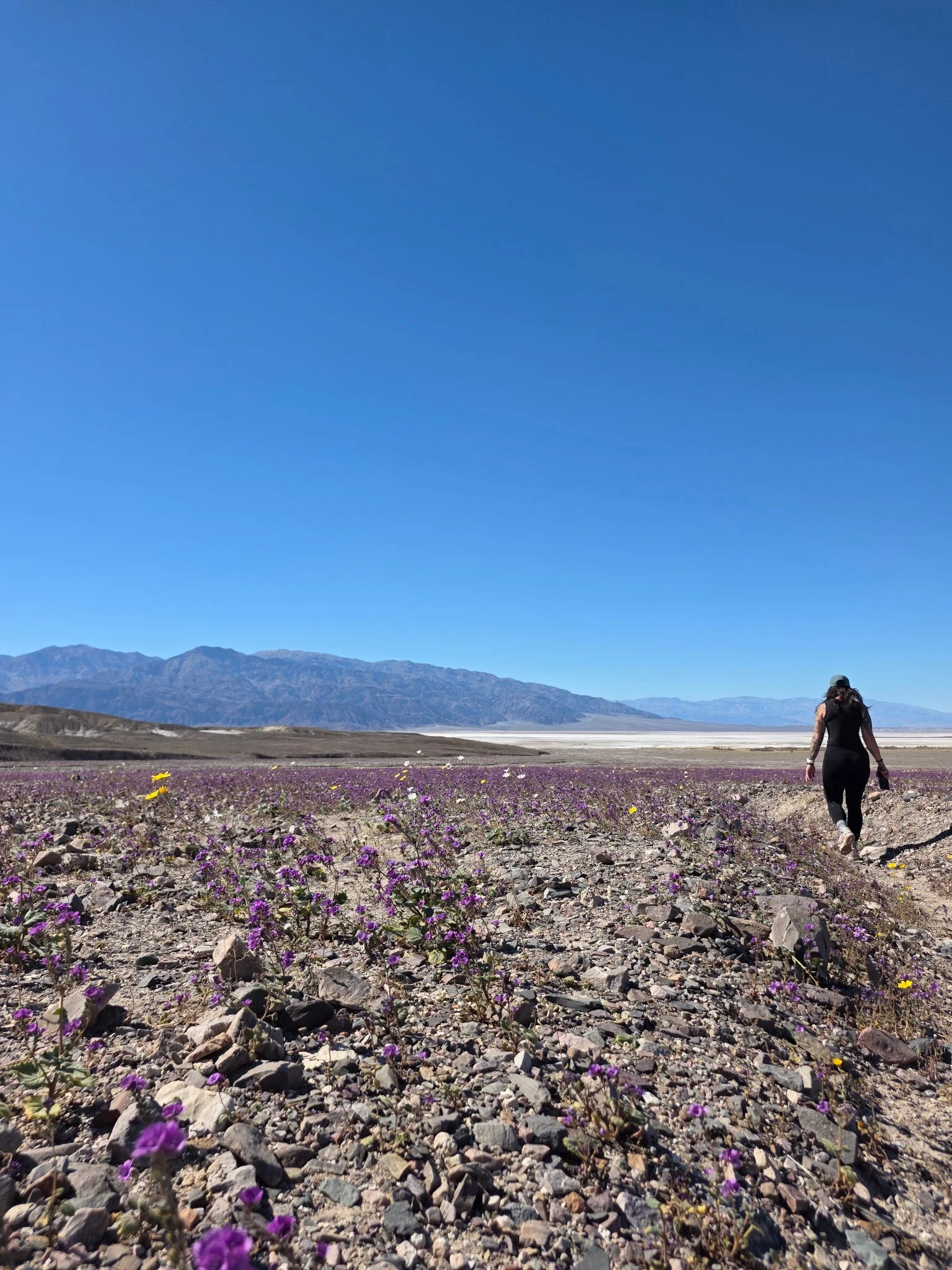
Rante, midwestern raised and educated, now lives and works in southwest Utah, on the high desert of Nuwuvi ancestral lands. When not in the studio, she teaches printmaking at Southern Utah University and explores the landscape on her mustang Willow and with her weimaraner, Kiki.
Represented by Maybaum Gallery in San Francisco, CA and The Schoolhouse Gallery in Provincetown, MA.
Artist Statement
My work explores the intersections of landscape, memory and mythology. Through drawing, painting and print processes, I create expansive environments that blend observation with invention. The landscapes in my work function as emotional terrains; sites where geological time, personal history and imagination converge. I am drawn to places that bear evidence of deep time, where histories overlap and the boundaries between the real and the imagined become porous.
Growing up in northeast Ohio and now living in the high desert of southwest Utah has shaped my understanding of place as something both physical and psychological that informs identity and belief. Time spent observing and gathering information from the land; including textures, forms, earth pigments and visual references, become the foundation for my studio practice. My work transforms these experiences into worlds that evoke wonder and impermanence while examining the ways we construct meaning through our surroundings. I seek to create contemplative spaces that invite viewers to consider their own relationships to landscape, memory and the stories that shape our understanding of place.
Land Acknowledgement
I acknowledge that I live and work on the ancestral homelands of the Nung’wu (Southern Paiute People) people, whose enduring relationships with this land extend across countless generations. The desert landscapes that inspire my work hold cultural knowledge and sacred meanings that long predate my presence here. As an artist who draws inspiration from place, I recognize my responsibility to approach the land with humility, respect and an awareness of the Indigenous communities who have cared for and continue to maintain connections to these environments.
The work “San Juan River'“ includes imagery inspired by petroglyphs (rock imagery) found in the landscape. These elements are incorporated with deep respect for their cultural, historical and spiritual significance and are never presented as my own designs. Rather, they are included to acknowledge the rich human history of the land and to recognize the Indigenous peoples whose ancestors created them and whose communities continue to maintain cultural connections to them. Any references to rock art are intended to foster appreciation, learning and stewardship while honoring Indigenous authorship and ownership. I recognize that these images are part of living cultural traditions, not merely historical artifacts and I strive to engage with them respectfully and with clear acknowledgment of their origins and the rights of the communities to whom they belong.